Manual Therapy in Bensalem
Pelvic girdle pain, low back tension, and tight tissue do not have to run your day. Skilled hands-on treatment with Dr. Kavitha helps your body move freely again.
What is manual therapy?
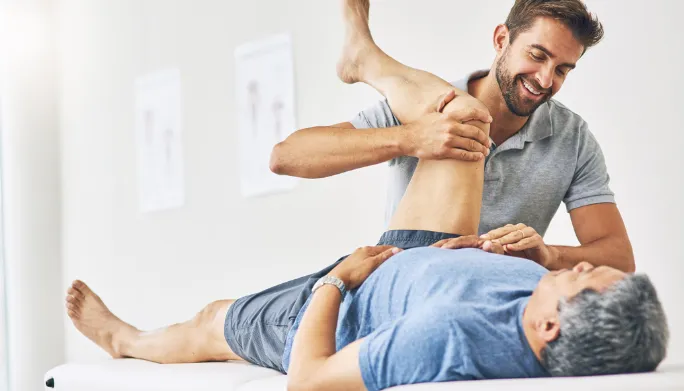
Manual therapy is skilled, hands-on treatment that Dr. Kavitha uses to move your joints and soft tissue in ways your body cannot do on its own. When pelvic girdle pain, low back tension, or restricted hip and sacroiliac movement lock up your daily life, manual therapy breaks that pattern. Her hands are not simply applying pressure, they are reading your tissue, feeling exactly where movement is stuck, and guiding your body back toward ease. It works because it addresses the root of the restriction. Tight muscles around the pelvis and low back, restricted joints, and myofascial adhesions all respond to the right hands-on technique applied at the right moment. Many people feel the difference before they even leave the room. You come in guarded and aching, and you leave moving with more freedom. Manual therapy pairs directly with the rest of your pelvic floor therapy plan, because once tension is released, the exercises you are working on can actually take hold instead of fighting through a body that is still locked up. It also gives Dr. Kavitha information no intake form or scan can offer, since your tissue tells her, in real time, exactly how it is responding.
What sets manual therapy apart is the skill and sensitivity behind it. This is not a stretch or a foam-rolling routine you could do at home. It is a precise, hands-on skill that takes years of training to apply safely to the pelvis, hips, and low back, structures that deserve careful, informed hands. Because you work with Dr. Kavitha personally at every visit, the technique adjusts session to session based on what your body is telling her that day, not a generic protocol. That continuity matters most with pelvic-related tension, where trust and a familiar set of hands make the work far more effective.
Who it's for.
Manual therapy is for anyone whose pelvic girdle, low back, or hip movement is limited by tight tissue, restricted joints, or lingering tension that will not let go on its own. If sitting, standing, or moving through your day feels guarded or stuck, this is worth exploring.
Pelvic girdle and low back tension
Your hips feel locked, your low back aches by midday, or twisting and bending feels guarded. Manual therapy mobilizes the joints of the pelvis and low back and frees up movement that stretching alone cannot reach. Once the area moves the way it should, the strengthening work in your plan finally has something solid to build on.
Tight, restricted pelvic and abdominal tissue
You have stretched and foam-rolled and still feel the same knot. That tissue often needs skilled hands to actually let go. Manual therapy releases myofascial restriction around the pelvis, abdomen, and hips so the rest of your treatment can do its job. Some tissue simply will not respond to a stretch alone, no matter how consistent you are.
Recovery after birth, surgery, or injury
After childbirth, pelvic or abdominal surgery, or an injury, scar tissue and protective guarding can lock the area down. Manual therapy safely mobilizes the tissue and tells your body it is safe to move again. That gentle reintroduction to movement is often the turning point in a recovery that has felt stalled.
What to expect in a session.
Manual therapy sessions start with a conversation and a hands-on assessment, then move into treatment. You will feel the difference as tension eases and movement returns.
Assessment and discussion
Dr. Kavitha asks what is limiting you, tests how your pelvis, hips, and low back are moving, and feels where the tissue is restricted. You will understand exactly what is stuck and why before any treatment begins. This groundwork ensures every technique that follows is aimed at the real source of the problem, not just where it hurts.
Hands-on mobilization
Using specific techniques suited to the pelvis and surrounding tissue, Dr. Kavitha moves your joints and muscles in ways that release restriction. It should feel firm but never painful, and she checks in with you throughout, adjusting pressure and technique based on how your body responds in that moment.
Active work and follow-up
With movement freed, you work through patterns that reinforce the gains, often tied directly to your pelvic floor therapy plan. Simple exercises and home care keep the improvement going long after you leave, so the change holds between sessions instead of fading.
Wear comfortable clothing that allows movement and lets Dr. Kavitha access the area being treated. Report any soreness in the days after a session, though mild achiness is normal as your body adapts to new movement. If anything feels off after your visit, a quick call to the office can put your mind at ease.
I have had pelvic therapy with Dr. K for 8 weeks. She has helped me with my issues. I would recommend her for therapy.
Where to go next.

Physical Therapy
One-on-one orthopedic and pelvic care with Dr. Kavitha at every visit, the whole-body foundation that supports your recovery.
Pelvic Floor Therapy
Targeted training for the muscles that support your bladder, bowel, and core, delivered personally by Dr. Kavitha.

Pelvic Pain Treatment
A personalized assessment that finds the real driver of pelvic pain and treats it, for women and men alike.