Incontinence in Bensalem
Leaking when you cough, laugh, sneeze, or exercise is common, but it is not something you have to just live with, and it is not simply a normal part of getting older.
What causes incontinence?
Leaking is common, but common does not mean normal, and it does not mean permanent. Whether it happens when you cough, sneeze, laugh, run, or the second you feel the urge, incontinence almost always comes down to muscles and signals that are not working together the way they should. Pads manage the symptom. They do not fix why it is happening. Understanding the real cause, whether it is weak coordination, an overactive bladder, or old habits that quietly retrained your body, is what allows us to actually change it instead of just covering it up.
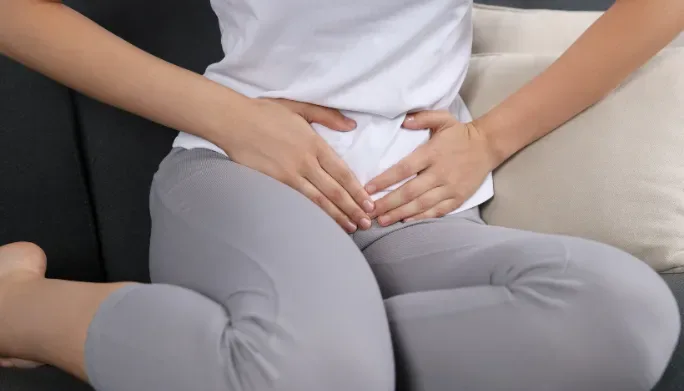
Your pelvic floor is a sling of muscle that supports your bladder and controls the seal that keeps urine in until you choose to release it. When those muscles are weak, or when they are strong but fire at the wrong time, that seal fails under pressure. This is what causes leaking with a cough, a sneeze, a laugh, a sprint, or a heavy lift. Basic Kegels often fail here because the problem is usually coordination and timing, not just strength.
Sometimes the issue is not the pelvic floor at all. It is the bladder itself sending urgent "go now" signals before it is actually full. This can create sudden, hard-to-ignore urgency and frequent trips to the bathroom, sometimes with leaking before you make it there. The bladder is a muscle that can be retrained, the same way any other muscle can, once we understand what is triggering the false alarms.
Carrying and delivering a baby changes how pressure moves through your abdomen and pelvis, and it stretches and reshapes the pelvic floor. Many women notice leaking for the first time during pregnancy or in the months after birth. This is common, but it is not something you are stuck with. The pelvic floor can be rebuilt and retrained months, or even years, after delivery.
Hormonal changes during perimenopause and menopause affect the tissue and muscle that support the bladder, which is why leaking and urgency often show up or worsen during this transition. Men experience their own version of this too, particularly after prostate changes or prostate surgery, when the muscles that control urine flow need to be retrained. In both cases, this is not simply "part of aging." It responds to the right kind of training.
Going "just in case" before you actually need to, cutting back on water to avoid accidents, or holding on too long can all reprogram your bladder over time, usually making urgency and frequency worse, not better. These patterns build up slowly and rarely get questioned. Part of getting your bladder back under your control is unlearning the habits that put it in charge in the first place.

How physical therapy in Bensalem helps.
You are not broken, and this is not just aging catching up with you. Incontinence is a mechanical and neuromuscular problem, and mechanical and neuromuscular problems respond to the right kind of retraining. In our one-on-one sessions, I start with a real evaluation of how your pelvic floor, bladder, and breathing actually coordinate under pressure, not a guess based on symptoms alone. From there we build a plan that goes well beyond generic Kegels, because a muscle that is not coordinated correctly does not get better from doing more reps of the wrong movement. We retrain timing and coordination first, then build strength and endurance so your pelvic floor can hold under a cough, a sneeze, a run, or a heavy lift. We also work on bladder habits directly, so urgency stops running the show. This works for women and for men, and it works whether your leaking started last month or twenty years ago. The goal is simple: fewer pads, fewer bathroom maps in your head, and a body you trust again.
What to expect from your recovery.
Evaluation and pelvic floor assessment
We assess how your pelvic floor, bladder, and breathing coordinate together, including strength, timing, and any patterns that may be contributing to leaking or urgency. This is a real, hands-on evaluation, not a questionnaire, so we know exactly what we are treating before we start.
Hands-on retraining and coordination
Early sessions focus on retraining the timing and coordination of your pelvic floor, not just building raw strength. We address the bladder habits and signals driving urgency, and give you tools you can use immediately when you feel a cough, a sneeze, or an urge coming on.
Progressive strengthening and bladder retraining
As coordination improves, we build the strength and endurance your pelvic floor needs to hold under real life: exercise, lifting, laughing, sneezing, and full bladders. By the end, your bladder is working with you instead of running the show.
Thank you for making pelvic floor therapy a lot less scary. I learned so much about how my body works. So many little changes have made such a huge difference in my life.
These conditions often show up together.


Bladder & Bowel Dysfunction
Urgency, frequency, or trouble emptying fully. We retrain the muscles and reflexes that control both.
Pelvic Organ Prolapse
Heaviness or pressure low in the pelvis. We rebuild the support system that holds everything in place.

Postpartum Recovery
Leaking, weakness, or pain after birth is common, not permanent. We help you rebuild from the ground up.