Postpartum Recovery in Bensalem
Your body carried and delivered a baby, and it deserves real rehabilitation, not a "give it time" and a pamphlet. Whether you are six weeks or six years postpartum, paced, one-on-one care can resolve what you have been living with.
What causes postpartum core and pelvic floor issues?
Pregnancy and birth ask an enormous amount of your body, and healing does not happen automatically just because the six-week checkup gave you the all clear. Your core and pelvic floor were stretched, compressed, and reorganized for nine months, then asked to do the work of delivery. If you are leaking when you laugh, feel a gap or bulge down your midline, ache through your low back and hips, or find intimacy uncomfortable, that is not something to push through or wait out. It is your body asking for the same kind of rehab you would get after any other injury, and real recovery is paced and individualized, whether you are six weeks or six years postpartum.
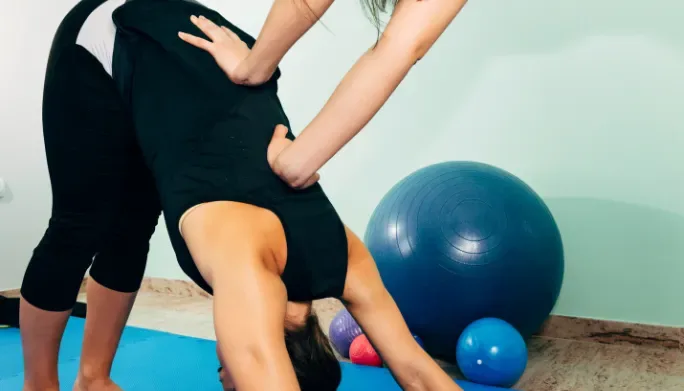
Delivery, whether vaginal or cesarean, places significant stretch and load on the pelvic floor muscles. Even with a straightforward birth, those muscles can end up weak, uncoordinated, or gripping too tight to protect against pain. That is often what is behind leaking, a heavy or bulging feeling, or pain with intercourse. These muscles respond to the same retraining as any other muscle group, but they need to be assessed and coached, not guessed at.
Diastasis recti, the separation of the abdominal muscles down the midline, happens to some degree in nearly every pregnancy. A gap or a dome-shaped bulge when you sit up or strain is common, and it does not close on its own just because time passes. Restoring deep core coordination, not endless crunches, is what actually brings the midline back together and eases the low back pain that often comes with it.
Relaxin and other pregnancy hormones soften ligaments and joints so your body can accommodate birth, and that effect lingers well after delivery, especially if you are breastfeeding. Loosened joints in the pelvis and low back are a common source of the aching, instability, and pelvic girdle pain many new mothers describe. Rebuilding strength around those joints gives them the support the hormones took away.
Any incision or tear, whether from vaginal tearing, an episiotomy, or a cesarean, leaves scar tissue behind. Scar tissue that is never mobilized can restrict movement, pull on surrounding structures, and contribute to pain months or years later. Gentle, hands-on scar tissue work restores mobility to the area and often resolves pain that felt like it had nothing to do with the scar at all.
Constant carrying, nursing, and bending over a crib place new demands on a body that is still recovering. Postural changes and repetitive strain add up on top of the changes from pregnancy itself, which is why pain and weakness sometimes show up or worsen months after birth, not just in the earliest weeks. Recovery has to account for the daily reality of caring for a baby, not just the birth itself.

How physical therapy in Bensalem helps postpartum recovery.
Postpartum recovery deserves the same real rehabilitation as any other injury, not a pamphlet and a "wait and see." We start with a thorough evaluation of your core, pelvic floor, posture, and movement patterns, so we understand exactly what is contributing to your symptoms rather than guessing. From there we build a paced, individualized plan: hands-on care to release tension and mobilize scar tissue, guided retraining of the pelvic floor and deep core muscles so they coordinate correctly, and a gradual return to the strength and activity level you had before, or the one you are working toward for the first time. This is not generic postpartum advice handed out at a checkup. It is one-on-one care built around your body, your birth, and your goals.
It does not matter whether you are a few weeks postpartum or years past your last delivery. Tissue and muscle respond to the right kind of loading at any stage, and many of the women we see waited years before finally addressing leaking, pain, or core weakness they assumed was permanent. It was not too late for them, and it is not too late for you. Every visit is one-on-one with Dr. Kavitha, so your plan adjusts as your body changes, whether you are returning to the gym, chasing a toddler, or simply want to feel like yourself again. Progress builds week over week, and the goal is not just symptom relief. It is getting your full self back.
What to expect from your recovery.
Evaluation and understanding your recovery
We assess your pelvic floor, core, posture, and movement together, and talk through your birth history and current symptoms. You leave your first visit understanding exactly what is happening in your body and why, and what the plan ahead looks like.
Hands-on care and a paced, individualized plan
We combine hands-on techniques, scar tissue work, and guided pelvic floor and core retraining, at a pace your body can actually handle. Every session builds on the last, and the plan adjusts as your symptoms change.
Progressive strengthening and return to full activity
As coordination and strength return, we build back toward the activities you want most, whether that is running, lifting, or simply picking up your child without pain. You leave stronger than before, with the confidence that it will hold up.
Dr. Kavitha is an amazing doctor. She helped me so much after my two pregnancies when I was struggling with pelvic floor issues.
Postpartum recovery rarely stays in one place.
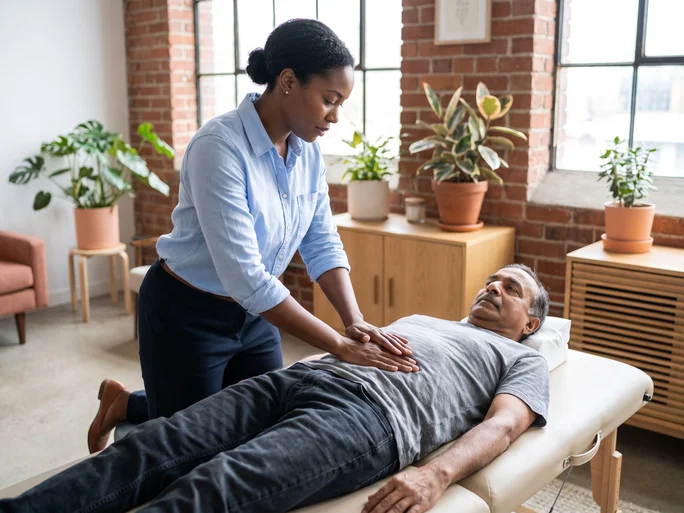

Diastasis Recti
The core separation common after pregnancy responds to the same paced retraining as the rest of postpartum recovery.
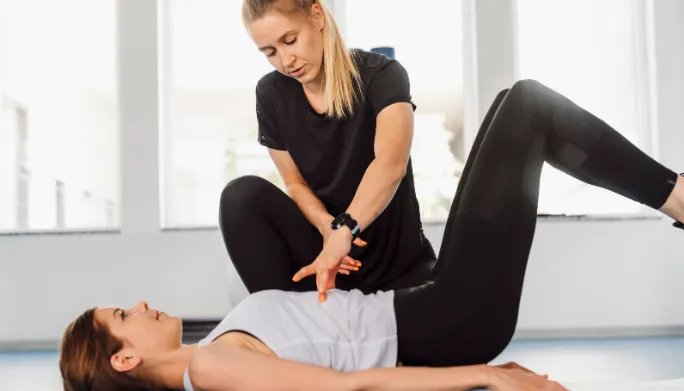
Incontinence
Leaking with a laugh, cough, or workout is common after birth, and it is treatable, not something to just live with.
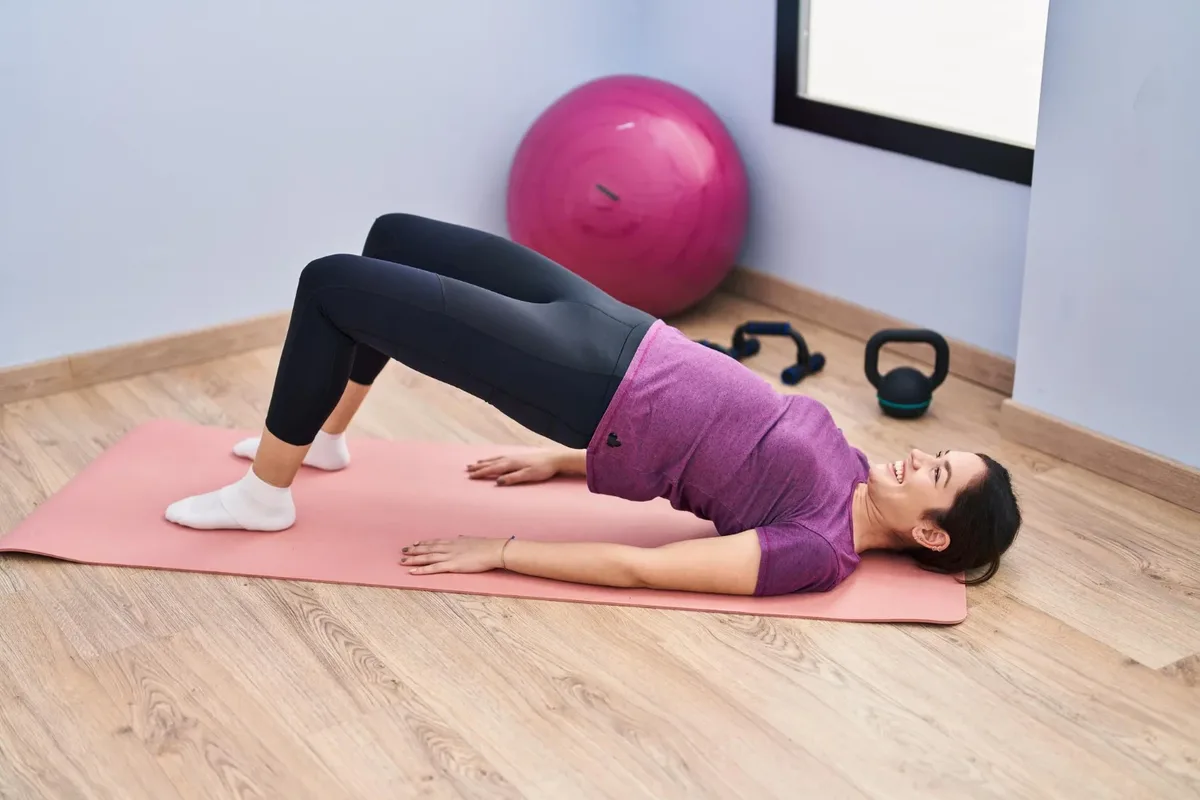
Pelvic Health
Postpartum recovery is one part of the bigger picture of lifelong pelvic health, for women, men, and children.