Endometriosis in Bensalem
Endometriosis pain is real, and you should not have to plan your life around it every month. If period pain, pelvic pain, or pain with intimacy has become something you just endure, one evaluation can change what your next cycle feels like.
What causes endometriosis pain?
Endometriosis itself is a medical condition that needs medical and often surgical management, and physical therapy does not treat the disease. But the chronic pain it creates builds a second layer on top of it: tight, guarded pelvic floor muscles, an oversensitized nervous system, and restricted tissue that keeps hurting even between flares. That second layer is what pelvic floor therapy can change.
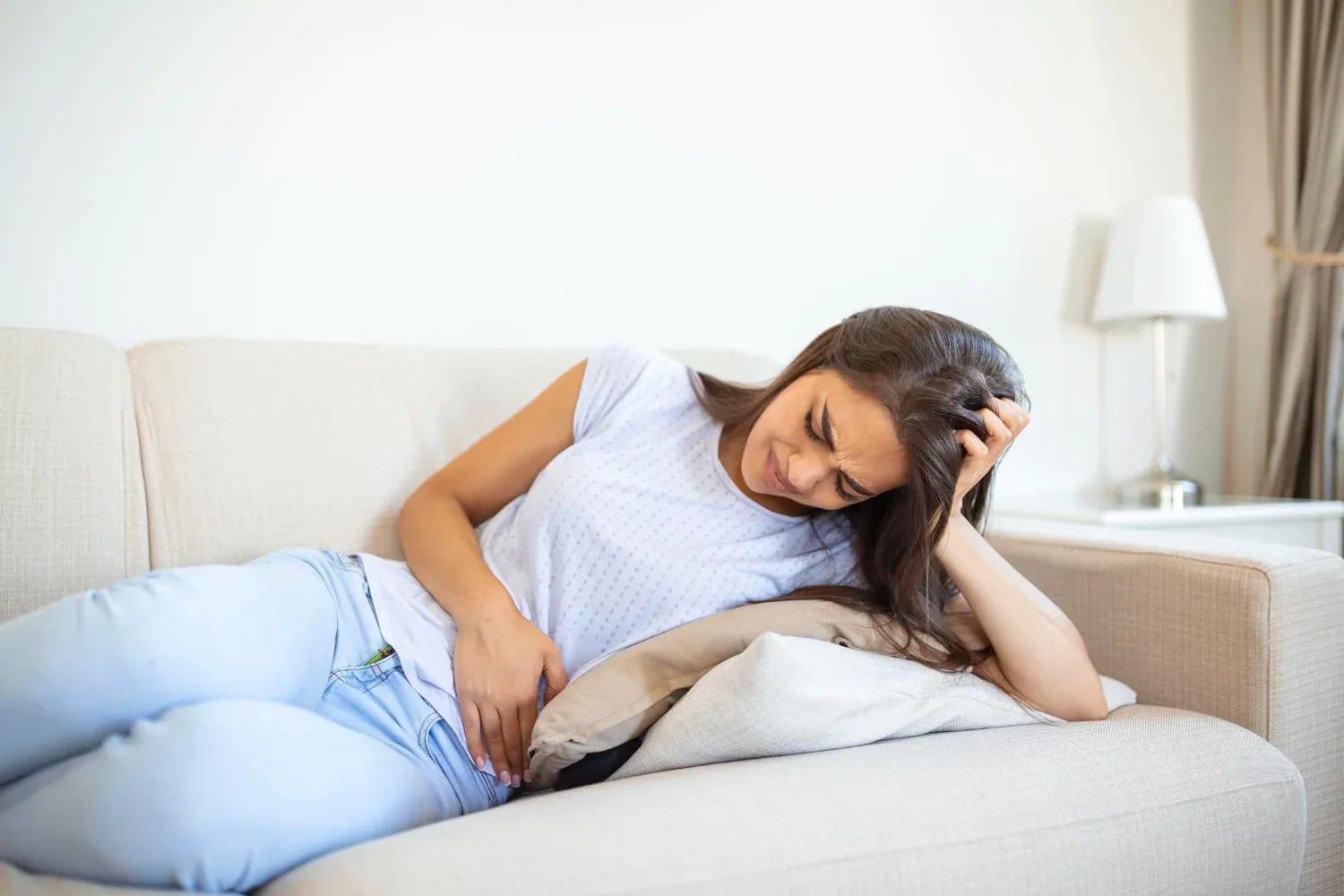
When pain shows up in the same place month after month, the pelvic floor muscles learn to brace and clench around it, the way you would guard a sore shoulder. Over time that guarding becomes its own source of pain, tightening the pelvic floor even during weeks when inflammation is low. Untangling that learned bracing is a big part of getting comfortable again.
Living with recurring pain can sensitize the nervous system, so it starts sounding the alarm sooner and louder than it needs to. This is called central sensitization, and it explains why pain can feel disproportionate to what is actually happening in the tissue. Calming this response down is a real, trainable part of pain management.
Endometriosis lesions and the scar tissue they leave behind can tether organs and connective tissue that are meant to glide freely. That restriction pulls on surrounding structures with movement, sex, or even a full bladder, adding a mechanical layer of pain on top of the hormonal one. Gentle manual work can restore some of that lost mobility.
Pain often intensifies around your period as hormone shifts inflame endometrial tissue wherever it has implanted. The pelvic floor muscles respond to that inflammation by tightening further, which is why the days around your cycle can feel like the pain has taken over completely. Learning to manage the pelvic floor's response to a flare makes those weeks more livable.
When endometriosis affects tissue near the bladder or bowel, it can bring urgency, bloating, constipation, or pain with fuller bladders and bowel movements into the picture. The pelvic floor often overworks trying to compensate, which adds bladder and bowel symptoms on top of the pelvic pain itself. Addressing the whole pelvic floor, not just the pain site, matters here.
How physical therapy in Bensalem helps.
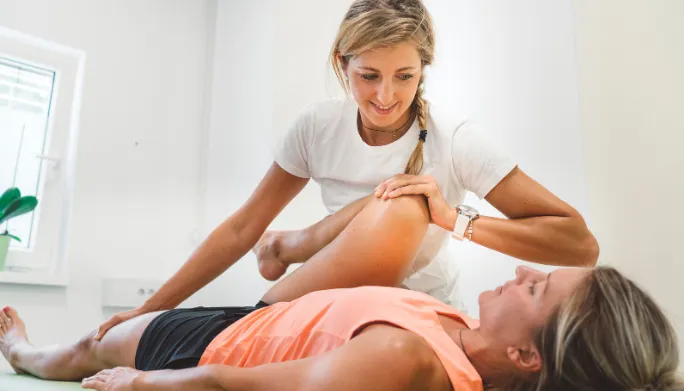
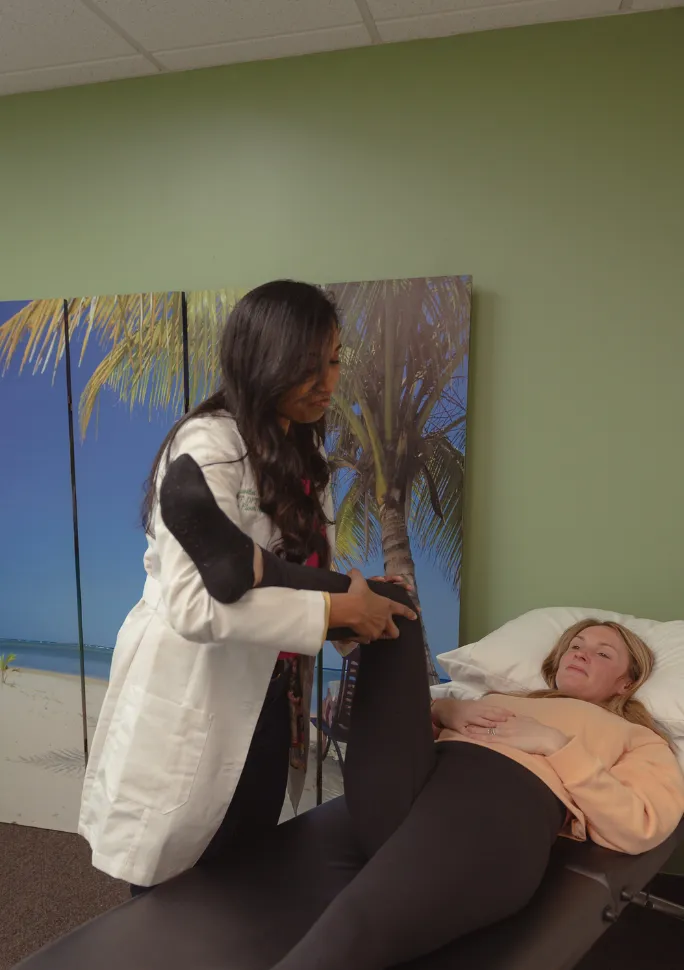
Pelvic floor therapy is not a cure for endometriosis, and it works best alongside your gynecologist or specialist, not instead of them. What it can do is treat the pain and dysfunction endometriosis leaves behind: the guarded, overactive pelvic floor, the restricted tissue, and the nervous system that has learned to overreact. We start with a thorough evaluation of how your pelvic floor, breathing, and posture are contributing to your pain. From there we use hands-on manual therapy to release guarding and improve tissue mobility, then teach you how to down-train a nervous system that has been on alert for too long. As pain settles, we rebuild strength and coordination so your body handles daily life, exercise, and intimacy with less bracing and less fear of the next flare. The goal is a drug-free, non-surgical way to feel more in control of your body between and around your cycles.
What to expect from your recovery.
Evaluation
We assess your pelvic floor tension, breathing patterns, posture, and how your symptoms move through your cycle. We talk through your history, your flares, and any bladder or bowel symptoms. You leave understanding what is driving your pain and what we are going to do about it.
Hands-on care and guarding release
We use manual therapy and myofascial release to ease pelvic floor guarding and restore mobility to restricted tissue. We also teach nervous system down-training so your body stops bracing on high alert. Each session builds on the last, paced to where you are that week.
Function and flare management
As guarding eases, we rebuild coordination and strength so your pelvic floor supports you rather than fighting you. We give you tools for flare weeks so you feel more in control of your cycle instead of controlled by it.
Dr. Kavitha has been helping me for a few weeks so far and I do feel better.
Pain rarely travels alone.

Pelvic Health
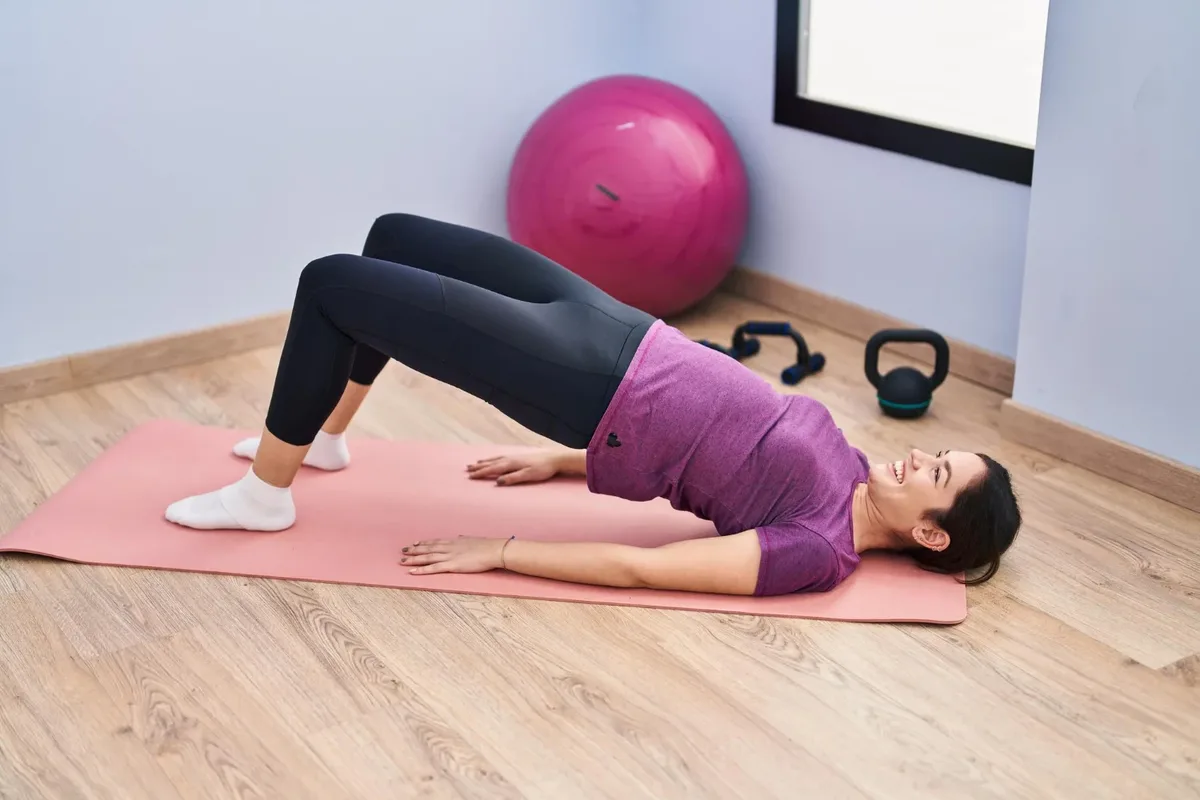
A strong, well-coordinated pelvic floor is the foundation everything else builds on, endometriosis pain included.
Sexual Dysfunction
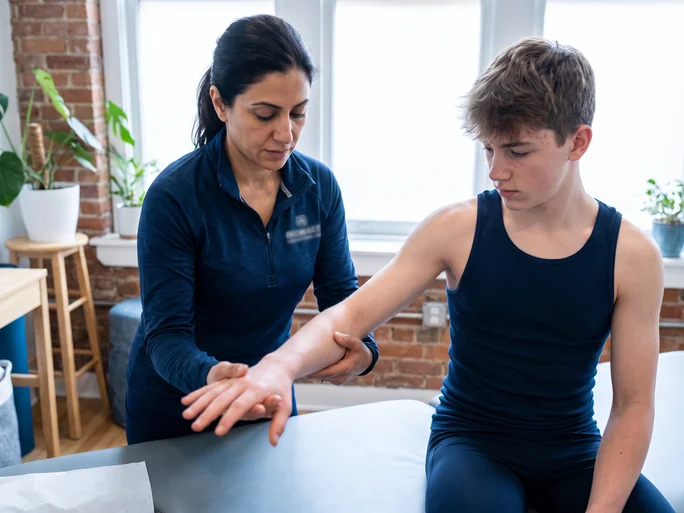
Painful intercourse is common with endometriosis and is not something you have to accept. We treat the pelvic floor tension behind it.
Perimenopause
Hormonal shifts affect the pelvic floor at every stage of life. We help you stay strong and comfortable through the transition too.