Pelvic Health in Bensalem
Bladder leaks, pelvic pain, heaviness, and changes after childbirth or with age are common, but common does not mean normal, and it does not mean permanent. Your pelvic floor is trainable, and most pelvic health issues respond well to focused physical therapy, without surgery or medication.
What causes pelvic floor dysfunction?
Pelvic floor dysfunction rarely comes from one single event. It builds over years, from muscles that never learned to coordinate properly, from repeated pressure your body absorbed without complaint, or from a body that changed faster than your training kept up with it, through pregnancy, childbirth, surgery, or the hormone shifts of perimenopause. Understanding what is actually driving your symptoms is the first step to fixing them for good.
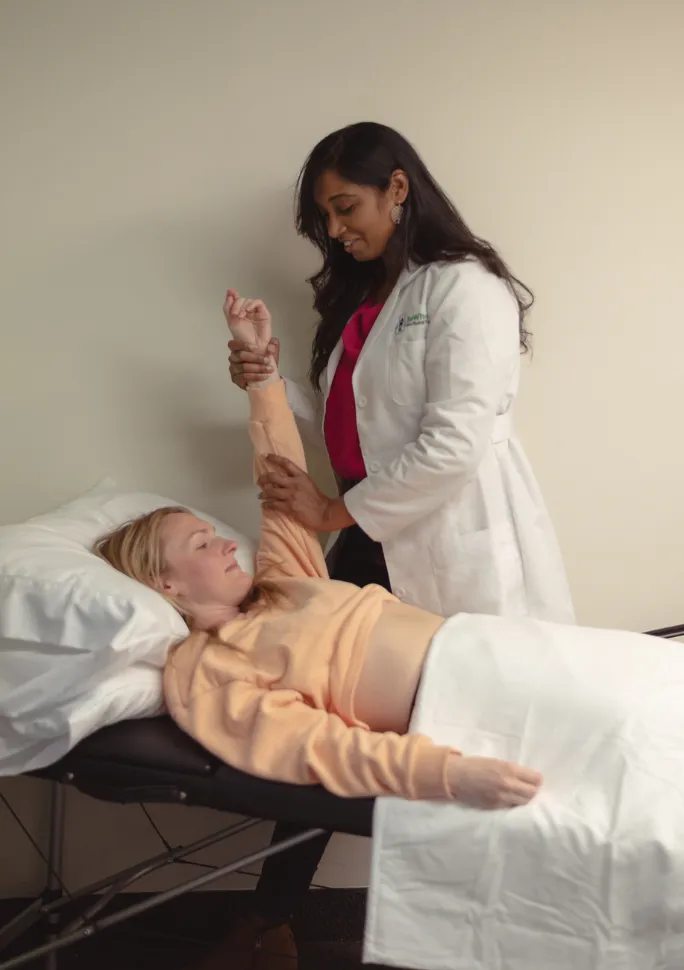
Carrying a baby and delivering, vaginally or by cesarean, changes the length, strength, and coordination of your pelvic floor muscles. Nerves can be stretched, tissue can be strained, and the deep core support system you relied on before pregnancy often needs to be rebuilt rather than simply rested.
As estrogen declines through perimenopause and beyond, pelvic floor and vaginal tissue can lose some of its elasticity and support. This is a real physical change, not a personal failing, and it responds well to targeted strengthening and hands-on tissue work.
Years of straining with constipation, holding your breath while lifting, or a chronic cough put repeated downward pressure on the pelvic floor. Over time that pressure can overwhelm the muscles' ability to support your bladder, bowel, and pelvic organs.
Pelvic, abdominal, or gynecologic surgery can leave scar tissue that restricts normal muscle movement and nerve signaling. Even a well-healed incision can change how the pelvic floor fires, which is often why symptoms show up months or years after a procedure.
A pelvic floor that is too tight can cause just as much trouble as one that is too weak, and many people have both problems in different muscle groups at once. Without a proper evaluation, guessing at Kegels on your own can make coordination worse instead of better.
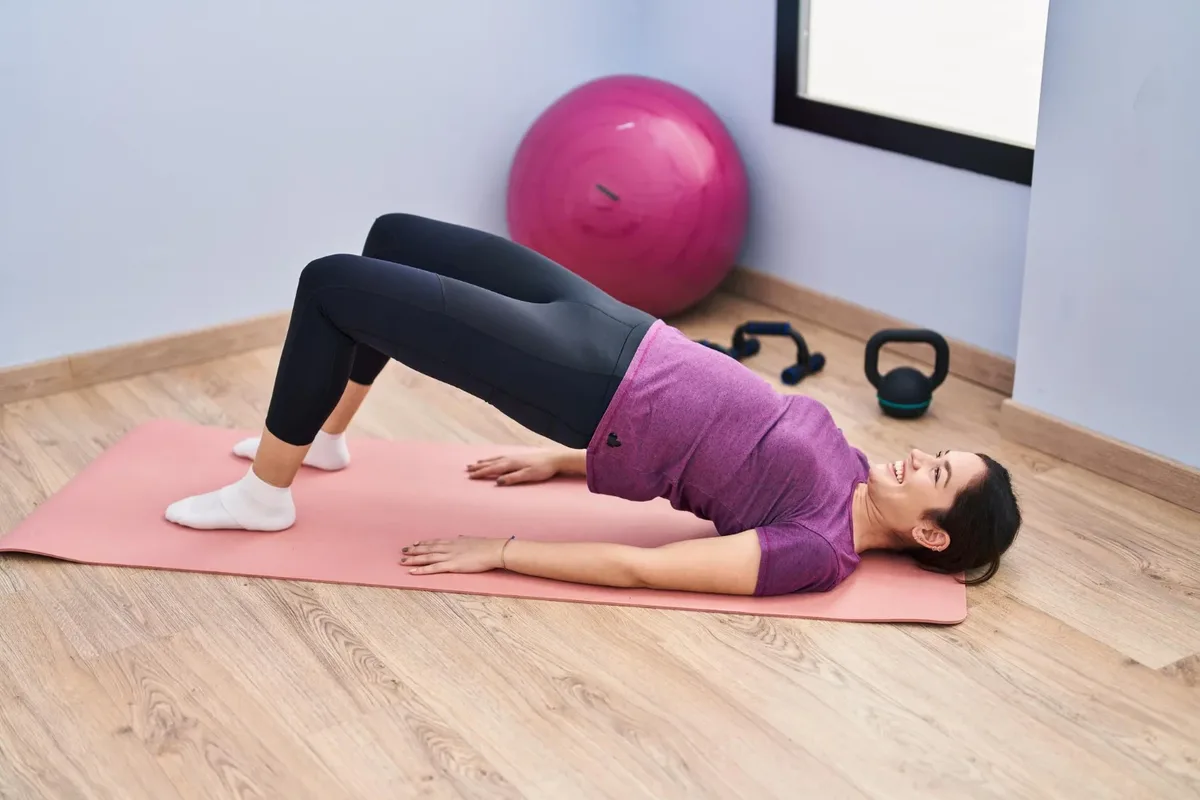
How physical therapy in Bensalem helps.
Pelvic health physical therapy starts with a real evaluation, not a guess. We look at how your pelvic floor, breathing, and core actually work together, then build a plan around what your body needs rather than a generic exercise sheet. You do not need a referral to start in Pennsylvania, and every visit is one-on-one with Dr. Kavitha, so nothing gets lost between appointments. Treatment may include hands-on manual therapy, biofeedback, breathing retraining, and progressive strengthening, tailored to whether you are managing leakage, pain, heaviness, or postpartum changes. Sessions are private, unhurried, and built around your comfort, whether you are a woman, a man, or a child. Most pelvic health issues improve significantly with the right plan, often without ever needing surgery or medication.
What to expect from your care.
Evaluation and education
Your first visit includes a detailed conversation about your history and symptoms, along with an assessment of your pelvic floor, posture, and breathing pattern. You leave with a clear explanation of what is actually happening in your body and a plan built around it.
Hands-on, individualized treatment
We use manual therapy, biofeedback, and targeted exercise to retrain the muscles and reflexes that control your bladder, bowel, and pelvic support. Every session is one-on-one with Dr. Kavitha, so your plan adjusts as you improve.
Progressive strengthening and daily life
As coordination and strength improve, we build toward the movements that matter in your day, whether that is lifting your kids, returning to exercise, or simply laughing without worry. The goal is lasting change, not a temporary fix.
Dr. Kavitha was very helpful explaining what I needed to do, both mentally and physically, to get control of the leaking issues.
These often show up together.
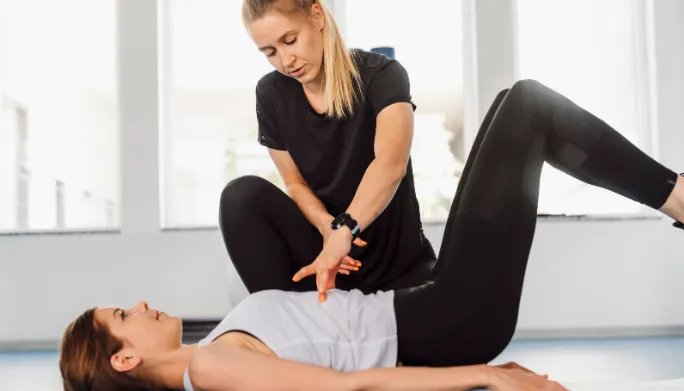

Incontinence
Leaking when you cough, laugh, sneeze, or exercise is common and treatable. We retrain the muscles so you are back in charge of your bladder.

Postpartum Recovery
Your body deserves real rehab after birth, not just wait and see. We rebuild core and pelvic floor strength at your pace, months or years later too.
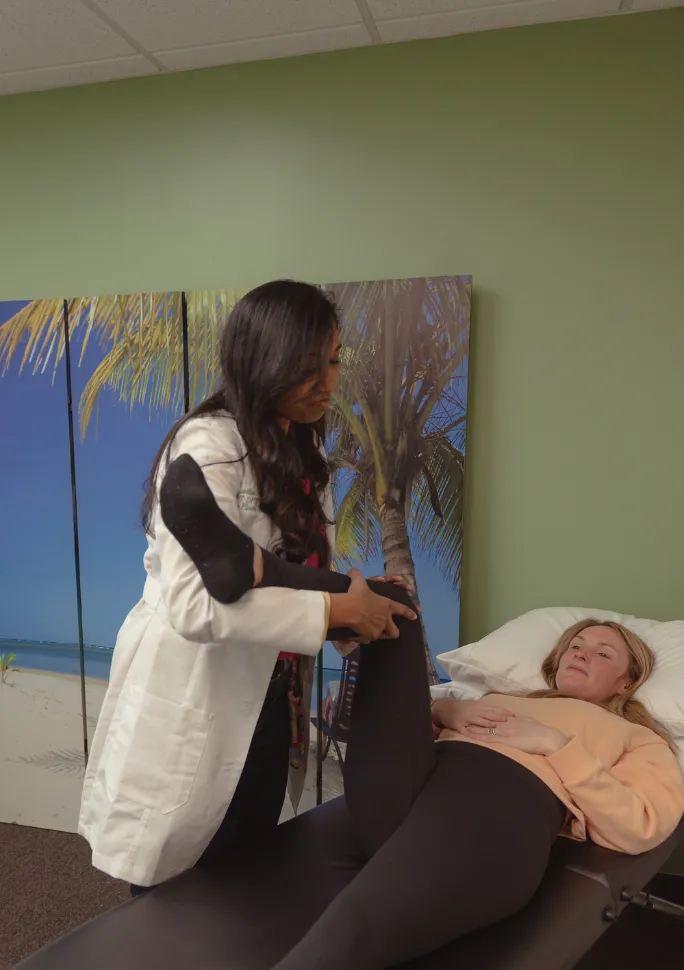
Perimenopause
Hormonal changes affect the pelvic floor too. We help you stay strong, comfortable, and in control through the transition.