The Diaphragm and the Pelvic Floor
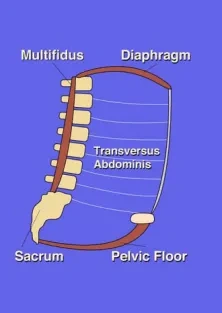
Most of us have heard of the diaphragm that sits under the lungs and helps us breathe. But have you heard of the pelvic diaphragm? The second layer of the pelvic floor muscles is referred to as the pelvic diaphragm. Both structures are anatomically positioned to sit parallel to each other.
How a Tight Pelvic Floor Shows Up
Pelvic pain can be due to many different causes. Regardless of the underlying issue, a common finding is a tight or shortened pelvic floor. When the pelvic floor muscles are tight, the functions of the pelvic floor are hampered, and a person may have complaints of:
- Constipation (this can include men)
- Difficulty initiating urination
- Pain with intercourse
Connecting Breathing and Pelvic Pain
Yes, deep breathing can help pelvic pain. Here's what happens when you take a diaphragmatic, or deep belly, breath: the abdominal diaphragm contracts and the pelvic diaphragm relaxes. The two diaphragms are positioned so that during deep breathing, the abdominal diaphragm contracts and causes the abdominal contents (the intestines and stomach) to descend into the pelvis, which in turn causes the pelvic diaphragm, the muscles of the pelvic floor, to lengthen and relax. The opposite happens when you exhale: the diaphragm relaxes, the abdominal organs move up and away from the pelvic floor, and the pelvic floor contracts.
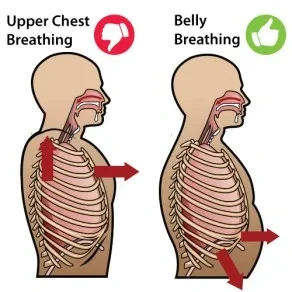
Repeating this as an exercise for 5 to 10 minutes, about once or twice a day, is a good way to start learning to relax the pelvic floor. This is also excellent for relaxing the mind, prior to meditation or alongside it.
In my experience, I see people who carry their stress and tension in two places: their shoulders (the upper trapezius muscles) and their pelvic floor. Yes, you read that right, the pelvic floor. This is what I see in my practice. When I teach patients to correct their posture and relax their shoulders, this helps with pelvic pain as well over time.
How to Do Diaphragmatic Breathing
- Start by lying down with your knees bent, or sit comfortably.
- Place one hand on your chest.
- Place your other hand on your abdomen, around your belly button.
- Take a slow, deep breath in through your nose. The hand on your chest should not move much, but the hand on your belly should rise slightly.
- Do not forcefully push your belly out.
- Gently breathe out through pursed lips.
- Wait about one minute, then repeat slowly for about 5 minutes.
Final Thoughts
This kind of breathing might feel awkward if you're used to shallow, upper-chest breathing. It will take some time to retrain.
This is also a good exercise for people with COPD (chronic obstructive pulmonary disease) and can help lung function. If you experience lightheadedness, discontinue the deep breathing and consult your physical therapist to be trained to do the exercise appropriately.
A tight pelvic floor is a common contributor to pelvic pain. Learn more about our approach to pelvic pain treatment and pelvic floor therapy, or request an appointment to talk with Dr. Kavitha directly.